- Afrikaans
- Albanian
- Amharic
- Arabic
- Armenian
- Azerbaijani
- Basque
- Belarusian
- Bengali
- Bosnian
- Bulgarian
- Catalan
- Cebuano
- Corsican
- Croatian
- Czech
- Danish
- Dutch
- English
- Esperanto
- Estonian
- Finnish
- French
- Frisian
- Galician
- Georgian
- German
- Greek
- Gujarati
- Haitian Creole
- hausa
- hawaiian
- Hebrew
- Hindi
- Miao
- Hungarian
- Icelandic
- igbo
- Indonesian
- irish
- Italian
- Japanese
- Javanese
- Kannada
- kazakh
- Khmer
- Rwandese
- Korean
- Kurdish
- Kyrgyz
- Lao
- Latin
- Latvian
- Lithuanian
- Luxembourgish
- Macedonian
- Malgashi
- Malay
- Malayalam
- Maltese
- Maori
- Marathi
- Mongolian
- Myanmar
- Nepali
- Norwegian
- Norwegian
- Occitan
- Pashto
- Persian
- Polish
- Portuguese
- Punjabi
- Romanian
- Russian
- Samoan
- Scottish Gaelic
- Serbian
- Sesotho
- Shona
- Sindhi
- Sinhala
- Slovak
- Slovenian
- Somali
- Spanish
- Sundanese
- Swahili
- Swedish
- Tagalog
- Tajik
- Tamil
- Tatar
- Telugu
- Thai
- Turkish
- Turkmen
- Ukrainian
- Urdu
- Uighur
- Uzbek
- Vietnamese
- Welsh
- Bantu
- Yiddish
- Yoruba
- Zulu

Understanding Heterogeneous Vinyl Flooring: A Versatile Solution for Modern Interiors
Vinyl flooring has evolved significantly over the years, offering advanced performance and design flexibility for a wide range of environments. Among the different vinyl flooring types, heterogeneous vinyl stands out for its layered structure and decorative potential. This article explains what heterogeneous vinyl flooring is, how it is constructed, and why it is widely used in both residential and commercial spaces.
Heterogeneous Vinyl Flooring Definition and Core Structure
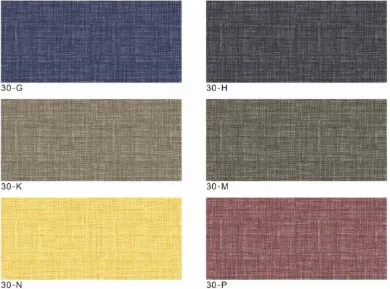
To fully understand this flooring type, it is essential to start with the heterogeneous vinyl flooring definition. Heterogeneous vinyl flooring is a multi-layered floor covering where each layer serves a specific function. Unlike homogeneous vinyl, which has a single consistent layer throughout, heterogeneous flooring is built with several distinct layers.
Typically, the structure includes a wear layer on top for surface protection, a printed design layer for visual appeal, a core layer for stability, and a backing layer for comfort and sound absorption. This layered construction allows manufacturers to enhance durability while offering a wide range of patterns, textures, and colors.
Because of this design flexibility, heterogeneous flooring can replicate natural materials such as wood, stone, or ceramic, while still maintaining the practical advantages of vinyl.
Performance Benefits of Heterogeneous Vinyl Flooring
One of the key advantages of heterogeneous vinyl flooring is its excellent performance in high-traffic areas. The protective wear layer resists scratches, stains, and daily wear, making it suitable for environments such as hospitals, schools, offices, and retail spaces.
Moisture resistance is another important benefit. Vinyl is naturally water-resistant, and the layered structure further enhances its ability to handle spills and frequent cleaning. This makes heterogeneous vinyl an ideal choice for areas where hygiene and easy maintenance are priorities.
Additionally, this flooring type offers improved comfort underfoot compared to harder surfaces. The backing layer can help reduce noise and provide a slightly cushioned feel, contributing to a more comfortable indoor environment.
Design Flexibility and Applications of Heterogeneous Flooring
A major reason for the popularity of heterogeneous flooring is its design versatility. Advanced printing and embossing technologies allow manufacturers to create highly realistic surface designs. From classic wood grains to modern abstract patterns, heterogeneous vinyl flooring can match virtually any interior style.
Installation options are also flexible. Heterogeneous vinyl flooring is available in sheets, planks, and tiles, allowing designers to choose the format that best suits the space. This adaptability makes it suitable for both large commercial areas and smaller residential rooms.
In the long term, heterogeneous vinyl flooring provides strong value. Its durability, ease of maintenance, and aesthetic range reduce the need for frequent replacement or intensive care, making it a cost-effective flooring solution.
Heterogeneous vinyl flooring combines functional performance with design freedom, making it a reliable choice for modern interiors. By understanding the heterogeneous vinyl flooring definition, recognizing the benefits of its layered construction, and exploring its wide range of applications, designers and property owners can confidently select a flooring solution that balances style, durability, and practicality.
-
Ultimate Guide to Durable and Modern spc flooring greyApr.16,2026
-
Installing SPC Flooring on Concrete Professional Installation GuideApr.09,2026
-
Comprehensive Guide to Durable SPC Flooring for Commercial ApplicationsApr.07,2026
-
SPC Flooring Click Installation Benefits and Comprehensive GuideApr.04,2026
-
Comprehensive Guide to SPC Flooring Durability Style and InstallationMar.31,2026
-
Exploring the Diverse Types of SPC Flooring for Your Next ProjectMar.28,2026