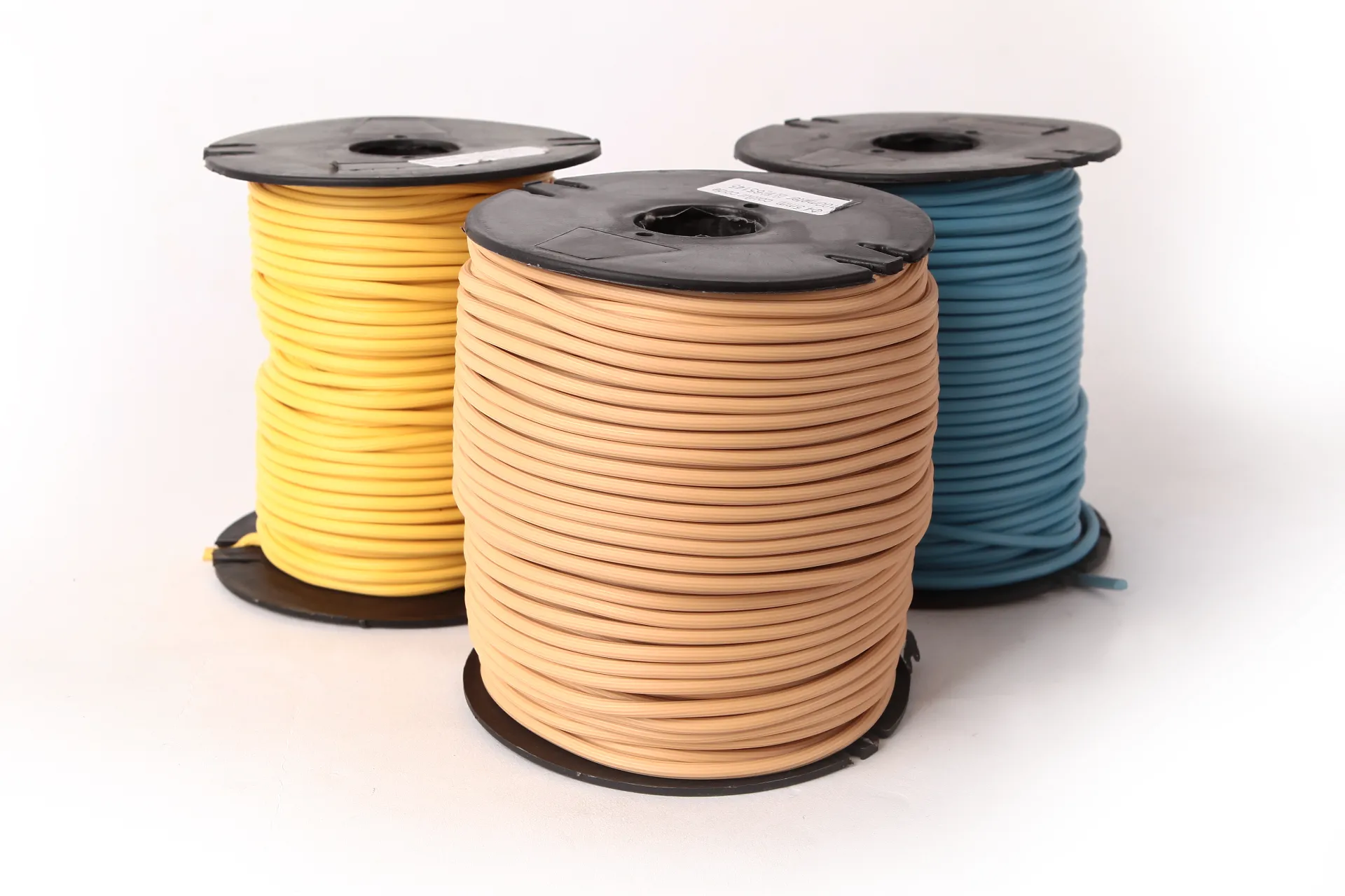

UPVC Welding Rod: Durable & Reliable Filler for Plastic Fabrication
Understanding the Benefits of UPVC Welding Rod
Having spent quite a few years dealing firsthand with industrial equipment—particularly materials used in construction and fabrication—I’ve come to appreciate the subtle yet vital role of the UPVC welding rod. Frankly, it’s one of those unsung heroes in the world of plastic welding. If you work in fabricating window frames, pipes, or even some decorative building elements, you’ll soon find it indispensable.
In simple terms, a UPVC welding rod is a filler material designed to create strong, reliable joints between UPVC components. Unlike other plastics, UPVC (unplasticized polyvinyl chloride) is rigid and maintains its structural integrity under different conditions, but welding it needs the right approach — and that’s where these rods shine.
Why UPVC Welding Rods Matter
You might wonder, “Can’t I just use adhesives or mechanical fasteners?” Well, adhesives can sometimes falter under stress or weathering, and mechanical fasteners might spoil the aesthetic or integrity. With UPVC welding rods, the bond is fused at a molecular level — making the connection both airtight and waterproof. This is crucial for irrigation systems, window installations, or chemical resistant tanks.
I remember a project where we had to fabricate hundreds of window profiles for a commercial building. We initially used a different brand of welding rods and noticed brittle joints after exposure to colder temperatures. Switching to a higher-grade UPVC rod made a huge difference: the joints held firm, weathered well, and installation crews appreciated the cleaner weld with minimal rework.
Key Product Specifications of UPVC Welding Rods
| Specification | Details |
|---|---|
| Material Type | Rigid UPVC (Unplasticized Polyvinyl Chloride) |
| Diameter | 3.0mm – 5.0mm |
| Color | White, Grey, Custom Colors Available |
| Melting Point | Approx. 75 - 105°C (Softening Range) |
| Density | 1.38 g/cm³ |
| Standard Packaging | 1kg spool or custom lengths |
Choosing the Right UPVC Welding Rod Vendor
Not all UPVC welding rods are created equal, I’ve learned. Over the years, I’ve noticed differences in fill consistency, weld strength, and how easy the rods melt and fuse. Here’s a quick comparison of three well-known vendors we’ve evaluated on recent projects:
| Feature | Vendor A | Vendor B | Vendor C |
|---|---|---|---|
| Weld Strength | High | Medium | High |
| Melt Consistency | Smooth | Uneven | Smooth |
| Color Options | Limited | Custom Available | Standard Colors |
| Packaging Size | 1kg spool | 0.5kg & 1kg options | 1kg spool |
| Price | $$$ | $$ | $$$ |
Final Thoughts
At the end of the day, selecting the right UPVC welding rod depends on your application nuances and budget. Honestly, it feels a bit like a balancing act — ease of use, weld quality, and cost all have to line up. For those serious about quality and durability, investing a bit more in premium rods tends to pay off down the road, especially when facing weather challenges or complex assemblies.
And if you’re still on the fence, I’d recommend checking out UPVC welding rods from Enliofloor. They’ve established a solid reputation for consistent quality, and that consistency really translates to fewer headaches onsite.
Some engineers joke that welding UPVC feels like a bit of an art — you can’t rush the heat, you have to sense when the rod is just right to meld seamlessly. Once you get that feel, things practically fall into place.
- Industry Fabrication Reports, 2022
- Material Science Journal on UPVC Properties, 2020
- Interviews with Installation Engineers, 2023
-
Ultimate Guide to Durable and Modern spc flooring greyApr.16,2026
-
Installing SPC Flooring on Concrete Professional Installation GuideApr.09,2026
-
Comprehensive Guide to Durable SPC Flooring for Commercial ApplicationsApr.07,2026
-
SPC Flooring Click Installation Benefits and Comprehensive GuideApr.04,2026
-
Comprehensive Guide to SPC Flooring Durability Style and InstallationMar.31,2026
-
Exploring the Diverse Types of SPC Flooring for Your Next ProjectMar.28,2026