
Welding Rod PVC – A Comprehensive Guide on Applications, Benefits, and Trends
Understanding Welding Rod PVC: Essential Insights and Industry Applications
Welding rod PVC might not be a phrase you hear every day outside of industrial circles, but its role is surprisingly crucial across various sectors worldwide. Simply put, welding rod PVC refers to the thermoplastic filler rods made from polyvinyl chloride (PVC) used in welding or fusing PVC materials together. This process is essential for creating durable, weather-resistant seals and joints in everything from piping systems to roofing membranes.
In a world increasingly reliant on plastic applications for infrastructure and manufacturing, getting a good grasp on welding rod PVC helps engineers, contractors, and NGOs alike deliver safe, reliable, and cost-effective solutions. Whether it's building water supply networks in emerging markets or repairing industrial installations in harsh environments, these rods play a subtle yet indispensable role.
Global Context: Why Welding Rod PVC Matters Today
The global PVC market has ballooned to an estimated $67 billion USD as of 2023, propelled by growing urbanization, infrastructure development, and the need for sustainable construction materials.[1] However, PVC components only perform as well as the joints binding them. Enter welding rod PVC — a cost-effective tool enabling stronger, leak-proof connections that extend asset lifespans.
Challenges like climate change and resource scarcity put extra pressure on industries to choose materials and methods that reduce waste and improve durability. Welding rod PVC addresses these by minimizing the necessity for mechanical fasteners and adhesives, which can fail or degrade faster. In post-disaster zones or remote sites where rapid deployment matters, properly welded PVC piping and membranes can make or break infrastructure effectiveness.
Defining Welding Rod PVC
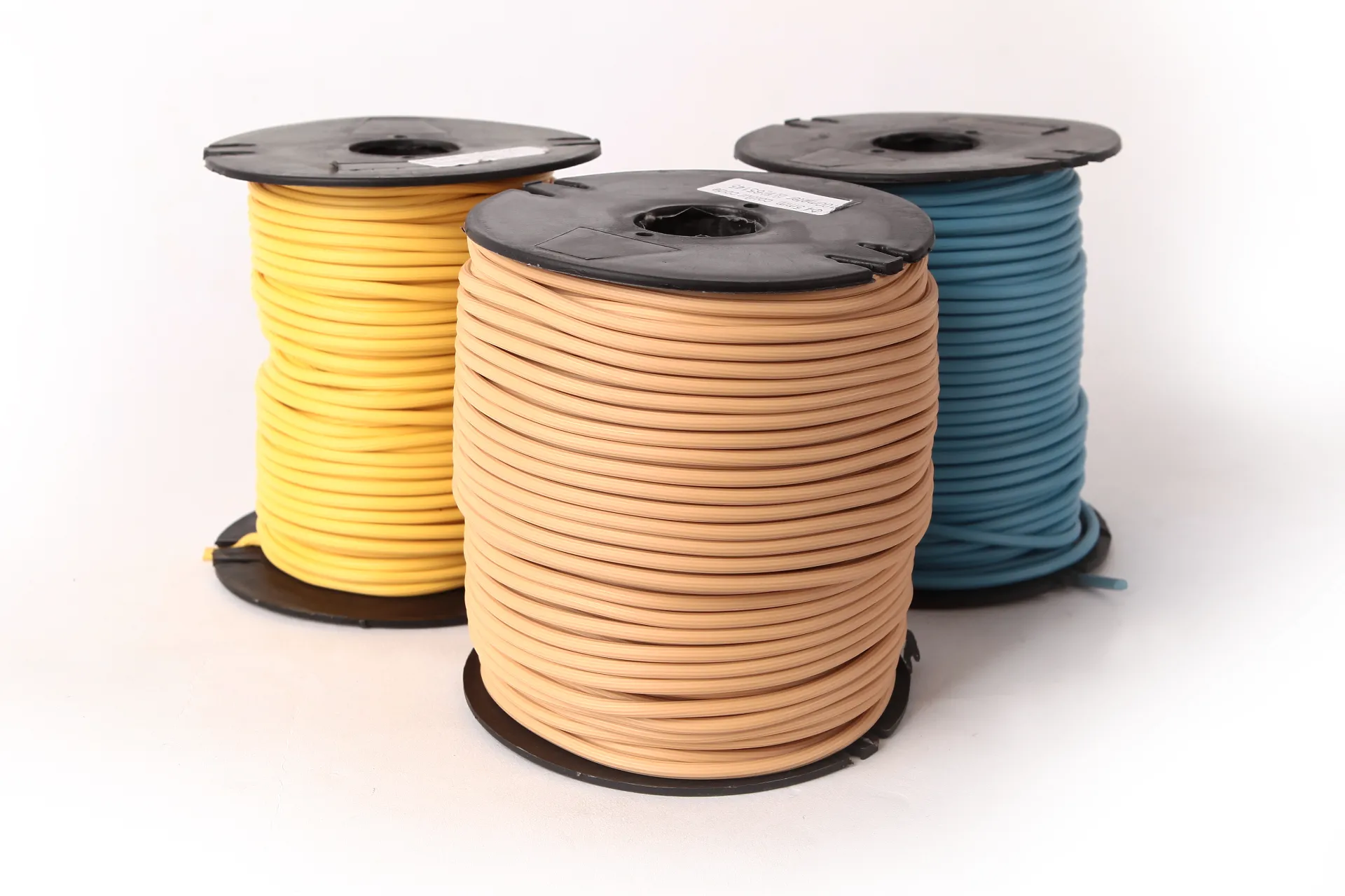
To clarify, welding rod PVC is a consumable product — thin rods or wires composed of PVC material — designed to melt and fuse with PVC substrates during thermal welding processes. When heated, both the rod and the base PVC soften, and upon cooling, they form a strong, homogeneous bond. This type of fusion welding is widely favored for joining pipes, roofing sheets, and even some flooring systems.
It’s not just a technical trick. This connection method aligns with environmental needs by creating recyclable and relatively non-toxic joints. Unlike solvent welding (which uses chemicals that can offgas volatile compounds), thermal welding with rods tends to be cleaner and more controllable.
Key Components and Factors of Welding Rod PVC
- Material Composition: Most rods are pure or modified PVC tailored for flexibility or rigidity to match the parts being joined. Some come with additives for UV resistance or chemical stability.
- Temperature Range: Welding rods must soften at precise temperatures — typically between 160-180°C (320-356°F) — to ensure proper fusion without degrading the material.
- Diameter: Common diameters range from 2mm to 5mm, affecting welding speed and control in different applications.
- Durability: Rods are designed to withstand stress, moisture, and temperature fluctuations after welding — critical for plumbing or outdoor roofing.
These factors all influence how well the weld performs under real-world conditions. It’s kind of remarkable how something so small structurally can determine the longevity of entire systems. For instance, a brittle or inconsistent rod means crack propagation could start at seams, risking big failures down the road.
Product Specification Table: Typical Welding Rod PVC Specs
| Specification | Typical Value | Notes |
|---|---|---|
| Material | PVC (Type I or II) | Standard grades for welding rods |
| Diameter | 2mm - 5mm | Depending on welding equipment |
| Melting Point | 160-180°C | Optimized for fusion |
| Tensile Strength | >30 MPa | Ensures durable bonds |
| Flexibility | Up to 50% elongation | Varies with additives |
Global Applications and Real-World Use Cases
Where do welding rod PVCs truly shine? Industries such as construction, water management, and manufacturing rely heavily on effective PVC welding solutions.
- Water and Wastewater Systems: PVC pipes joined with these rods create leak-proof networks critical in urban and rural communities alike.
- Roofing and Waterproofing: In commercial and residential buildings, welded seams using rods accommodate thermal expansion and prevent water infiltration.
- Electrical Insulation: PVC sheathing welded together forms cables and conduits that safeguard wiring in harsh environments.
- Disaster Relief: NGOs deploy prefabricated PVC pipe and shelter systems joined via welding rods for rapid setup.
Oddly enough, regions with limited industrial access often depend on high-quality welding rod PVCs to keep local manufacturing and infrastructure running efficiently. The versatility of PVC welding allows for scalable solutions that fit the needs of vastly different climates and economic contexts.
Comparison Table: Leading Welding Rod PVC Vendors
| Vendor | Material Quality | Price Range | Special Features | Supply Regions |
|---|---|---|---|---|
| PVC Solutions Inc. | High-purity PVC with UV stabilization | $$$ | Custom diameters & colors | Global |
| ThermaWeld Corp. | Standard PVC blends | $$ | Fast melting rods | North America, Europe |
| EcoPoly Ventures | Eco-friendly recycled PVC rods | $$$ | Low VOC emissions | Asia, Europe |
Advantages and Long-Term Value
What really makes welding rods PVC invaluable? First, longevity and maintenance savings. Welded PVC joints practically become one body with the substrate, offering leak-free, corrosion-resistant seals. Also, compared to mechanical joints or solvent welding, thermal welding reduces environmental impact and the chance of premature failure.
On an emotional level, these advantages translate to safety and peace of mind, especially in water supply or critical infrastructure settings. You know, there’s something reassuring about trusting your pipeline or roof won't spring a leak when unexpected weather strikes. NGOs and engineers alike appreciate the technology for enabling dignity and resilience in vulnerable communities.
Future Trends and Innovations
Looking ahead, welding rod PVC is evolving alongside greener materials and automation. We’re seeing more eco-conscious rods made from recycled PVC, lowering carbon footprints.[2] Digital thermal welding technologies now use sensors to optimize temperature control, improving bond consistency and lowering waste.
Additionally, integration with photovoltaic building materials and smart piping systems is on the horizon, making PVC welding part of a bigger sustainable infrastructure ecosystem.
Challenges and Solutions
It’s not all smooth sailing though. PVC welding rods require skilled operators and precise equipment to avoid defects — a hurdle in low-resource environments. Also, welding conditions like humidity and temperature fluctuations can impact results.
Innovative solutions include user-friendly handheld welders and pre-heated fusion tables helping novices achieve professional welds. Plus, improved training programs and certification processes help maintain standards globally.
FAQ: Frequently Asked Questions About Welding Rod PVC
- Q1: What makes welding rod PVC preferable to solvent welding?
- A: Unlike solvent welding, which depends on chemicals that can harm the environment and pose health risks, welding rod PVC uses heat to fuse materials, resulting in stronger, cleaner, and more uniform joints without toxic emissions.
- Q2: How long can properly welded PVC joints last?
- A: With correct procedures, PVC welded joints can last between 25 to 50 years, often matching or exceeding the lifespan of the pipes or membranes they join, making them dependable for long-term infrastructure.
- Q3: Is welding rod PVC compatible with all types of PVC products?
- A: Typically, welding rods are designed to match the specific type of PVC used. Using mismatched materials can lead to weak bonds, so it's important to select rods suited for the substrate’s flexibility and formulation.
- Q4: Can NGOs source welding rod PVC for emergency projects internationally?
- A: Yes, many manufacturers and distributors offer export solutions for welding rods. It’s important to check compliance with local import regulations and to verify the quality standards to ensure performance in critical projects.
Conclusion: Why Welding Rod PVC Deserves Your Attention
For anyone involved in industrial construction, infrastructure maintenance, or humanitarian relief, understanding welding rod PVC is more than technical knowledge: it’s a practical advantage. The material’s durability, environmental benefits, and broad application make it a cornerstone of modern PVC welding.
Catch the latest innovations or source quality materials by visiting our website: welding rod pvc solutions are just a click away.
Mini takeaway: Welding rod PVC may be small, but its impact stretches across industries, helping build safer, greener, and longer-lasting infrastructure worldwide.
References:
-
Ultimate Guide to Durable and Modern spc flooring greyApr.16,2026
-
Installing SPC Flooring on Concrete Professional Installation GuideApr.09,2026
-
Comprehensive Guide to Durable SPC Flooring for Commercial ApplicationsApr.07,2026
-
SPC Flooring Click Installation Benefits and Comprehensive GuideApr.04,2026
-
Comprehensive Guide to SPC Flooring Durability Style and InstallationMar.31,2026
-
Exploring the Diverse Types of SPC Flooring for Your Next ProjectMar.28,2026